Prompt to Production: The Security Implications of AI-Generated Code
Generating code with AI is straightforward. Generating secure code is considerably harder. Here's how Fagoon Code approaches the gap between fast output and production-safe output.
Bikram Paudel
CTO
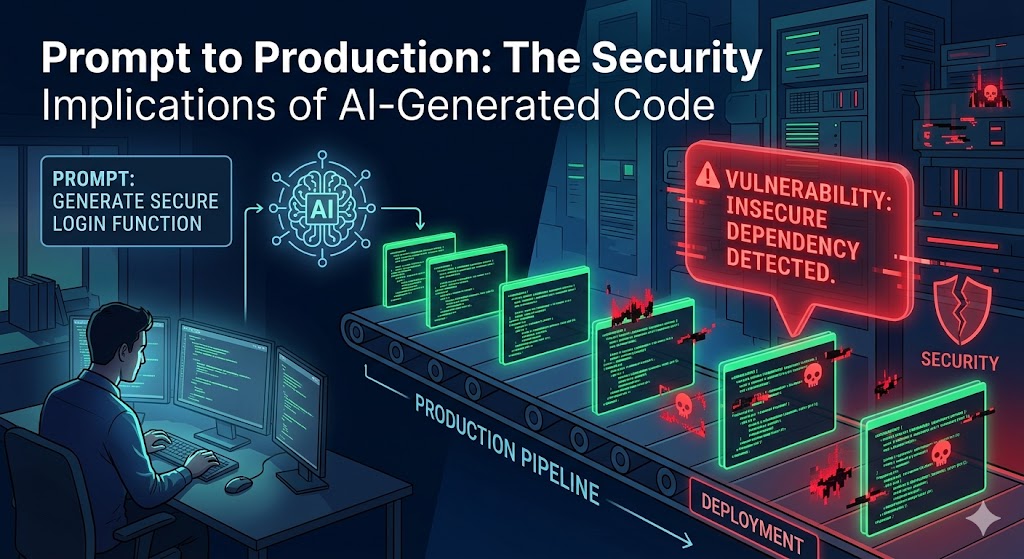
The Hidden Cost of Fast Code
AI-assisted development has made it genuinely possible to prototype functional software in hours rather than weeks. That acceleration is real, and for most development teams it has changed how they work. But it has introduced a risk that's easy to underestimate: AI models optimise for functional output, not secure output. Code that passes a test and ships cleanly can still be silently vulnerable to SQL injection, cross-site scripting, insecure direct object references, or a range of other well-documented exploit patterns.
The problem is compounding. When AI-generated code is produced quickly and reviewed lightly, vulnerabilities that would have been caught in a slower, more deliberate process make it to production. At scale, this creates real exposure.
Fagoon Code: Security as a Generation Requirement
Fagoon Code was built in response to this dynamic. The core principle is that security cannot be a post-generation audit step — it needs to be embedded in the generation process itself. Every block of code produced by Fagoon Code passes through a recursive security scanning layer before it is presented to the developer. That layer checks against OWASP standards and flags patterns associated with common vulnerability classes before they become part of the codebase.
Safe Defaults Over Clever Shortcuts
Our architectural approach centres on what we call Safe Defaults: the code Fagoon generates is trained toward high-compliance patterns, enforces strict typing at generation, and produces output that passes standard linting requirements out of the box. The practical benefit for development teams is a reduction in legacy refactoring burden — you spend less time retrofitting security into code that shipped without it — and a stronger baseline posture across the systems you build.
Faster development is only an advantage if what ships is defensible. Our goal with Fagoon Code is to make those two things compatible, rather than forcing teams to choose between them.