The ROI of 24/7 Multilingual Lead Management in the UAE
Serving international investors across time zones and languages is a genuine operational challenge. Here's how UAE firms are using EVAN OS to stay responsive — and competitive — around the clock.
Bikram Paudel
CTO
The Global Investor Servicing Challenge
Dubai operates at the intersection of multiple investor markets: Europe, South Asia, East Asia, and the wider GCC. A firm's next significant client might be based in London, Mumbai, or Singapore. Serving that kind of global pipeline effectively means being available, coherent, and helpful at hours that don't map to a standard UAE working day.
The traditional solution — offshore call centres or extended shift teams — is expensive to run, difficult to quality-control, and still leaves gaps. A better approach is to build the 24/7 multilingual capability into the infrastructure itself.
How EVAN OS Handles It
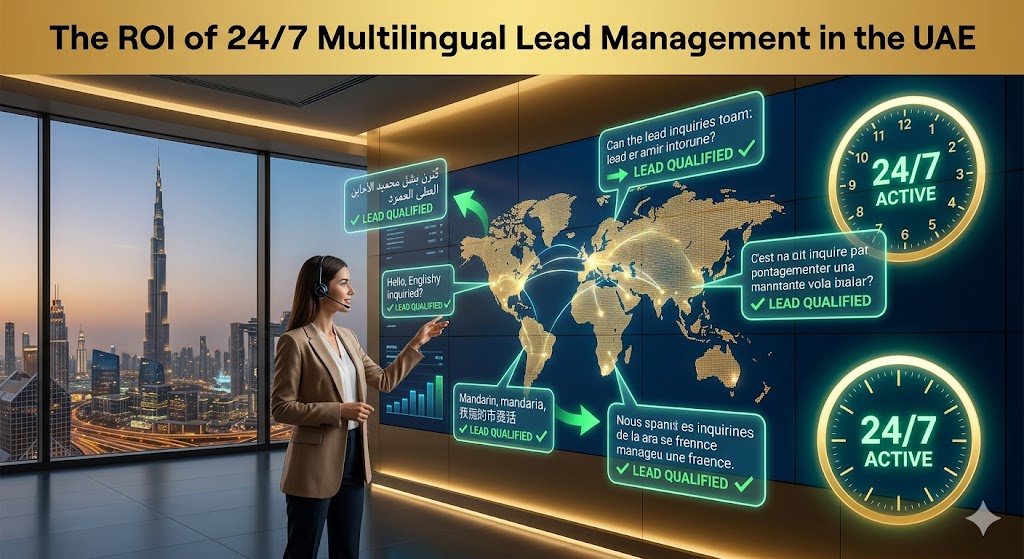
EVAN OS enables our UAE clients to deploy multilingual AI Hubs that manage WhatsApp enquiries and inbound voice calls in Arabic and English simultaneously, with the ability to extend to additional languages as the client base demands. A qualified investor enquiring at 3 AM Dubai time receives the same level of engagement as one calling during peak hours — because the same system handles both.
The AI handles document collection and initial qualification. It gathers the information a human broker needs before stepping in, meaning those brokers are spending their time on conversations that are ready to convert — not on chasing paperwork or answering the same introductory questions repeatedly.
What This Means for Lead Conversion
The compounding effect of instant multilingual response is trust. When an investor receives an accurate, helpful answer in their preferred language within seconds of reaching out, the agency's credibility is established before a human has even entered the picture. That early trust materially shortens the path to a viewing or a signed agreement. Based on our own deployment data, clients have seen meaningful acceleration in lead-to-viewing timelines compared to their pre-automation baseline.